Folklore
Murder Ballads Keep A Local Crime In Circulation
Songs narrating a killing served as news, warning and memorial in American communities, and their conventions explain why the details survive while the facts drift.
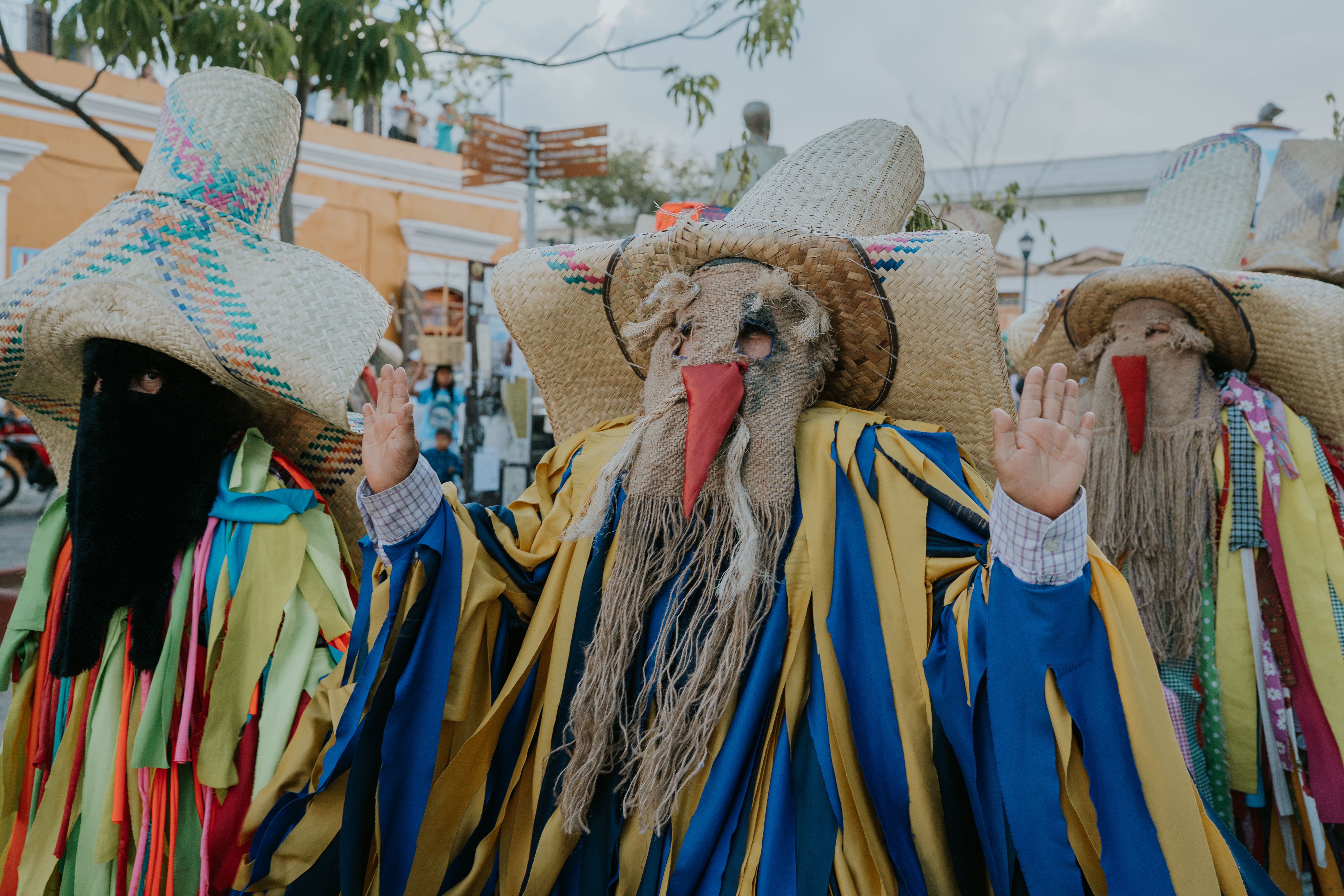
A large body of American traditional song describes a specific killing in plain narrative detail. The songs did work that no other medium in those communities did.
The song functioned as circulating news
Before local reporting reached everywhere, a striking crime spread by word of mouth, and a song was the form in which an account traveled intact.
Verse and melody hold a sequence of events in a fixed order, so a story passed through many singers arrives less scrambled than a spoken retelling.
Printed broadsides sold at gatherings accelerated the process, putting a text into circulation that singers then adapted to local tunes.
The conventions of the genre shape the facts
These songs share a repertoire of elements: a courtship, a walk to a riverbank, a specific weapon, a body found, and an arrest.
Singers fit new events into that frame, which means details can migrate from one song to another and attach themselves to the wrong crime.
Researchers comparing songs against court records regularly find the outline accurate and the particulars unreliable, which is characteristic of traditional narrative.
Many are framed as the killer's confession
A common form has the condemned person narrating in the first person and addressing the listener directly with a warning.
That framing borrows from execution broadsides, which were sold as the last words of the convicted and were often written by someone else entirely.
The moral ending is not decoration, since it is what allowed a violent story to be sung in company where entertainment alone would not have been acceptable.
The victims are overwhelmingly women
The dominant pattern involves a woman killed by a man she is involved with, frequently after a pregnancy is disclosed.
Modern listeners and performers have raised sustained objections to the way these songs treat the victim, who often has no voice in the narrative at all.
Some contemporary singers respond by reframing the material or by performing the victim's perspective, which changes the genre rather than preserving it.
Places keep the songs attached to ground
Many ballads name a real river, road or town, and those places continue to be pointed out locally long after the events pass out of memory.
Where a site is identified, the song functions as a marker, and the geography sustains it even where no one recalls the case.
Commercial recording then fixed particular versions permanently, so the text that survives is often whichever variant happened to be recorded first.
Also by Anahera Wetere
- What a heritage listing does to a placePlaces
- Lullabies are frequently not comfortingFolklore
- When one employer is the whole townPlaces
- The gift that has to be returnedFestivals & Ritual