Places
When one employer is the whole town
Settlements built around a single mine, mill or plant have a recognisable life cycle, and the ending is the part that has been studied least and experienced most.
Towns, valleys and islands worth knowing about.
Places
International recognition brings visitors, funding and constraints, and the effect on the people living inside the designated area is not consistently positive.
Places
Settlements built around a single mine, mill or plant have a recognisable life cycle, and the ending is the part that has been studied least and experienced most.
Places
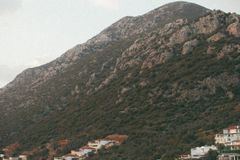
A number of prominent peaks around the world are treated by the people who live beneath them as places where you do not go, and the resulting disputes with visitors have been long-running.
Places
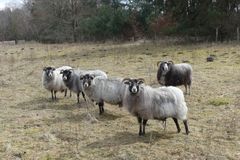
Seasonal movement of livestock between lowland and upland pasture shaped landscapes, legal systems and settlement patterns across an enormous area, and it is disappearing quickly.
Places
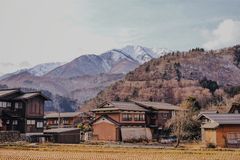
A mountain range is a wall with a small number of doors, and everything — trade, armies, languages, disease — has had to go through them.
Places
A frontier creates its own economy, its own vocabulary and its own kind of settlement, and moving the line rarely removes what grew along it.
Places
A large share of the world’s biggest cities sit on river deltas, which are the most fertile, most connected and least stable ground available.
Places
Desert towns exist where the water is, and the engineering that brought water to them is among the most sophisticated infrastructure any pre-industrial society built.
Places
Isolation does specific things to language, biology and social organisation, and island communities across the world have arrived at similar solutions to similar constraints.
Places
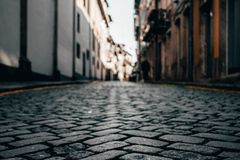
A great many towns exist because someone was granted the right to hold a market there, and the physical shape of those places still shows it.
Places
Hilltop settlements across the Mediterranean, the Andes and the Himalaya share a logic that stopped applying about two centuries ago. The buildings did not move.