Places
County Seats Were Placed A Day's Ride Apart
The size of American counties and the location of their courthouses were fixed by how far a farmer could travel and return in one day with a horse.
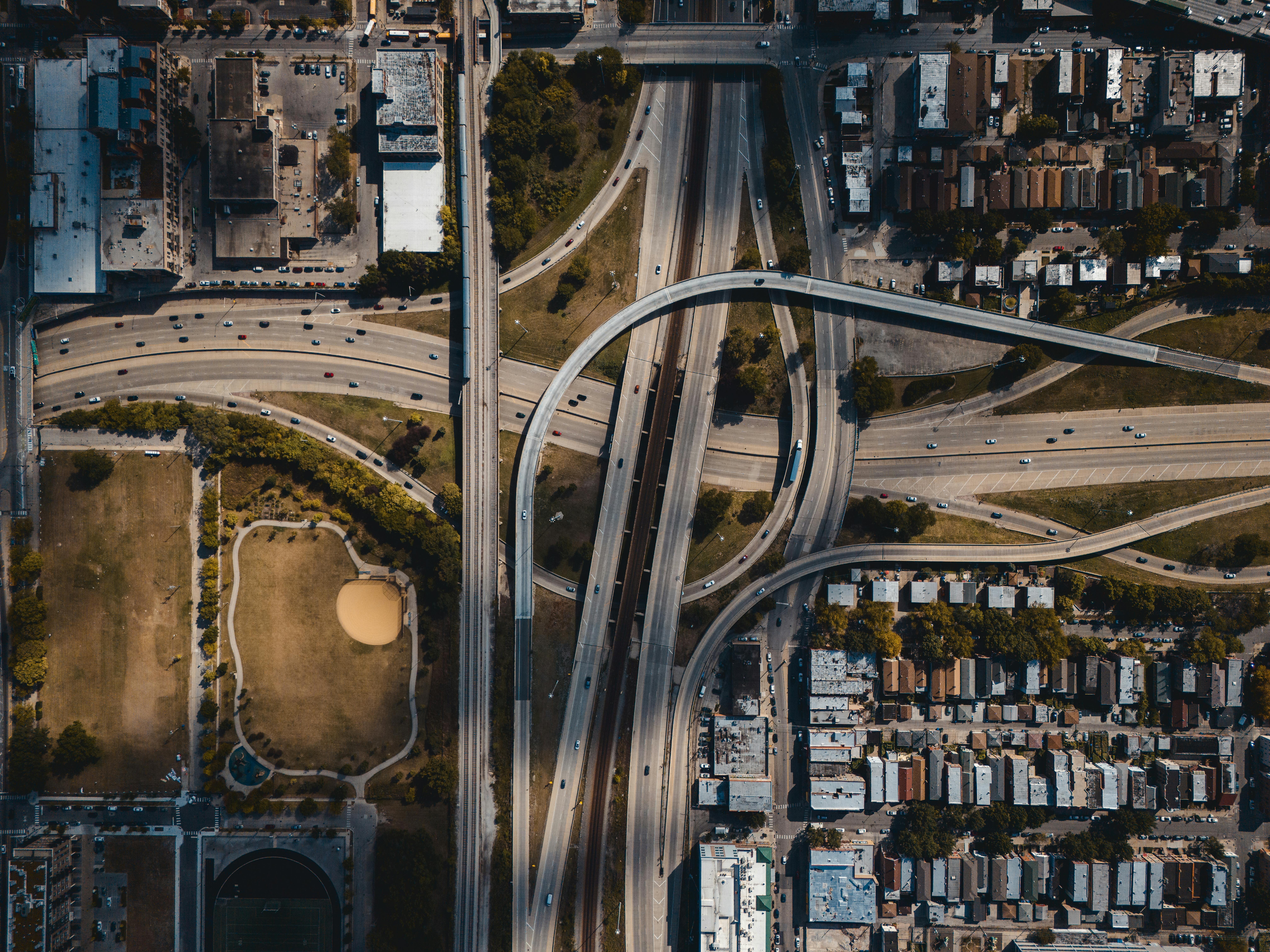
Counties in the eastern and midwestern United States are strikingly consistent in size. The measure behind them is a day's travel by horse and wagon.
Business at the courthouse required a personal trip
Recording a deed, paying a tax, serving on a jury or filing a suit meant appearing in person, since none of it could be done by correspondence reliably.
A citizen therefore needed to reach the county seat, transact business and return without an overnight stay, which set a hard limit on the distance.
Legislatures organizing new territory used that limit directly, dividing land into counties small enough that no resident lived beyond a practical journey.
The seat was placed at the center on purpose
Statutes commonly required the county seat to be at or near the geographic center, which minimized the worst-case travel distance rather than favoring an existing town.
That is why many county seats are modest places sitting in the middle of a county while the largest town sits at the edge near a river or a rail line.
Where the rule was applied strictly, a courthouse was sometimes built on empty ground and a town grew around it afterward.
Seat fights were serious local politics
Holding the courthouse meant lawyers, hotels, printers, saloons and regular crowds, so competing towns campaigned hard and elections on relocation were common.
Records were occasionally moved by force in the night, and a number of towns tell that story about themselves, which suggests it happened often enough to be plausible.
A town that lost its seat usually stopped growing, and several counties contain a visibly stranded settlement that expected to be the center.
Court week structured the calendar
Courts sat in terms rather than continuously, so business concentrated into weeks when the judge was present and the county filled with people.
Merchants planned inventory around those weeks, and traveling attorneys rode a circuit between seats, which is where the term for a judicial circuit comes from.
Markets, political speaking and social events attached themselves to the same weeks, making the courthouse square the county's periodic festival ground.
Western counties broke the pattern
Counties organized in the arid west are far larger, because population was sparse, land supported fewer people and the day's-ride constraint was overtaken by rail and then road.
Some of those counties are larger than eastern states, and their seats can be several hours away by car, which changes the relationship between residents and county government.
The eastern pattern remains frozen in place, so a region can carry a dense grid of small counties that no longer matches where anyone actually lives.
Also by Anahera Wetere
- What a heritage listing does to a placePlaces
- Lullabies are frequently not comfortingFolklore
- When one employer is the whole townPlaces
- The gift that has to be returnedFestivals & Ritual