Craft Traditions
How An Apprentice Actually Learned A Trade
Apprenticeship taught by graded exposure rather than instruction, giving the beginner the preparation work first and the decisive operations years later, once mistakes were cheap.
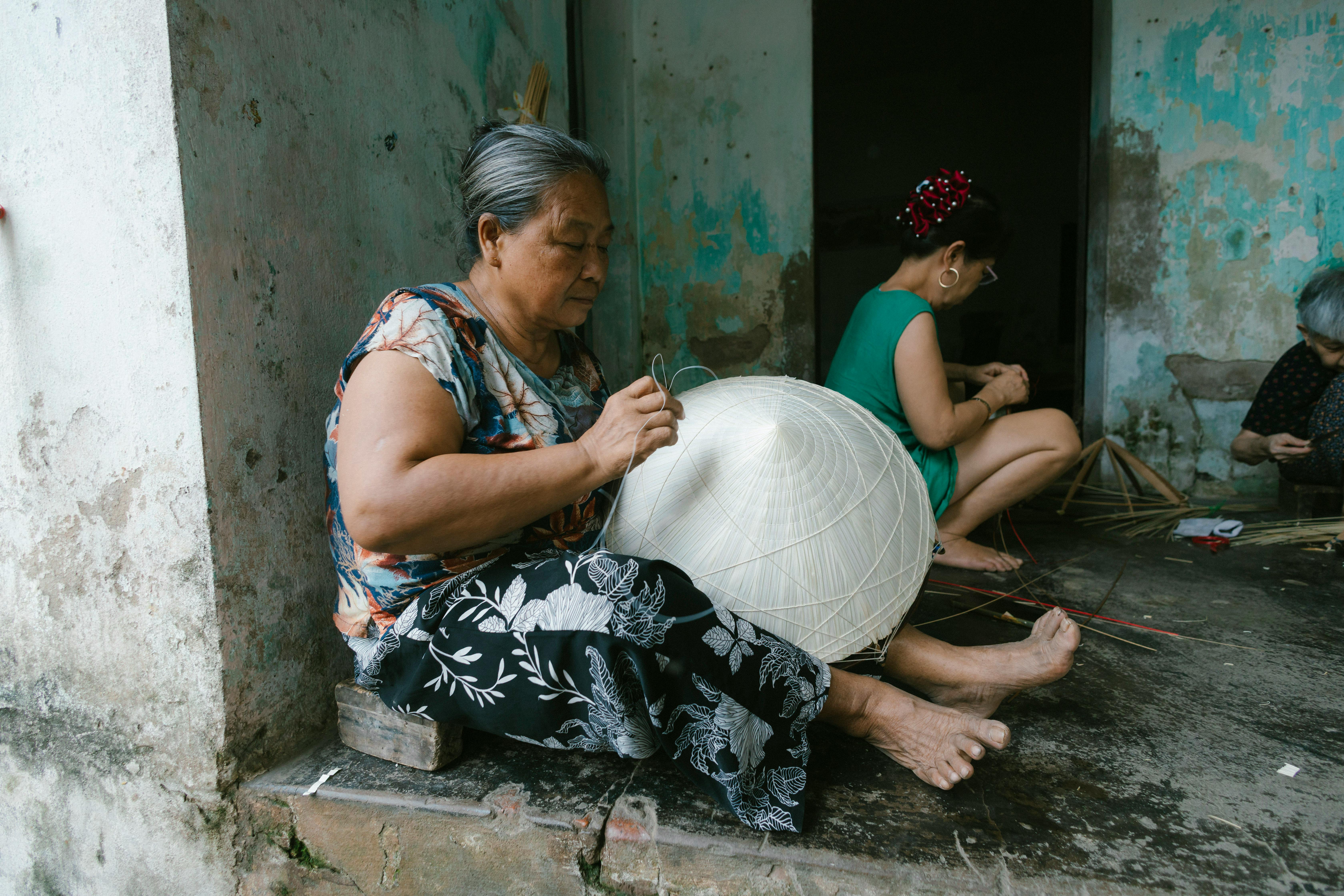
Apprenticeship is usually described as learning by doing. What it actually did was sequence the work so that the beginner touched the expensive part of the process last.
The first years were preparation
New apprentices did not make things. They fetched material, tended the fire, cleaned, prepared clay or fibre, and sharpened and maintained tools for everyone else.
This looks like exploitation and was partly that, but it also front-loaded the knowledge that is hardest to teach directly. Someone who has prepared material for two years knows how it behaves.
It also protected the workshop's stock. A ruined casting or a spoiled hide costs real money, and the trade could not afford to let an untested newcomer near it.
Watching was structured, not incidental
The workshop layout put the junior in sight of the senior's hands. Benches faced a certain way and the fire sat where it did partly so that work was visible while being done.
Very little was explained aloud. Trades that involve judgement of colour, sound, smell or resistance have vocabulary for almost none of it, so the transfer happened by observation and correction.
Correction came as a demonstration rather than a description. The master took the tool, did the movement, and handed it back, which is a faster channel than words for physical skill.
Responsibility arrived in graded steps
Once trusted, the apprentice took over the reversible operations first. Roughing out, preparing surfaces and doing the early stages could be redone if they went wrong.
The irreversible steps came much later. Firing, pouring, cutting the final joint or setting the stone were held back, because those are the moments where a mistake destroys the accumulated work.
The final stage was doing a whole piece unsupervised. That piece was assessed, and in formal systems it was the evidence on which the trade admitted a new full member.
Why it lasted so long
Long terms were partly about skill and partly about labour economics. An apprentice became productive well before the term ended, and the later years repaid the unproductive early ones.
They also controlled entry. A trade that took years to enter kept its numbers down, which kept prices and status up, and organised trades defended those terms deliberately.
Households and workshops overlapped. Apprentices commonly lived with the master, which made the arrangement social as well as economic and made leaving it difficult.
What is lost when it goes
Classroom training conveys principle efficiently and tacit judgement poorly. The things a trade cannot articulate are exactly the things that transferred through years of proximity.
Where crafts have been revived after a break, the gap shows in the marginal decisions rather than the main sequence. Practitioners can follow the steps and struggle to know when something is wrong.
That is why surviving workshops matter out of proportion to their output. They hold the part of the trade that was never written down because it was never put into words.
Also by Emeka Nwosu
- Mending as a visible actCraft Traditions
- Thatch, mud and stone: building with what is within reachCraft Traditions
- Boats built without plansCraft Traditions
- Making instruments: wood chosen for how it soundsCraft Traditions