Craft Traditions
Lacquer Work Is Measured In Years
Lacquer hardens by a slow chemical reaction that needs damp air rather than heat, and the resulting layers must be built up one at a time over many months.
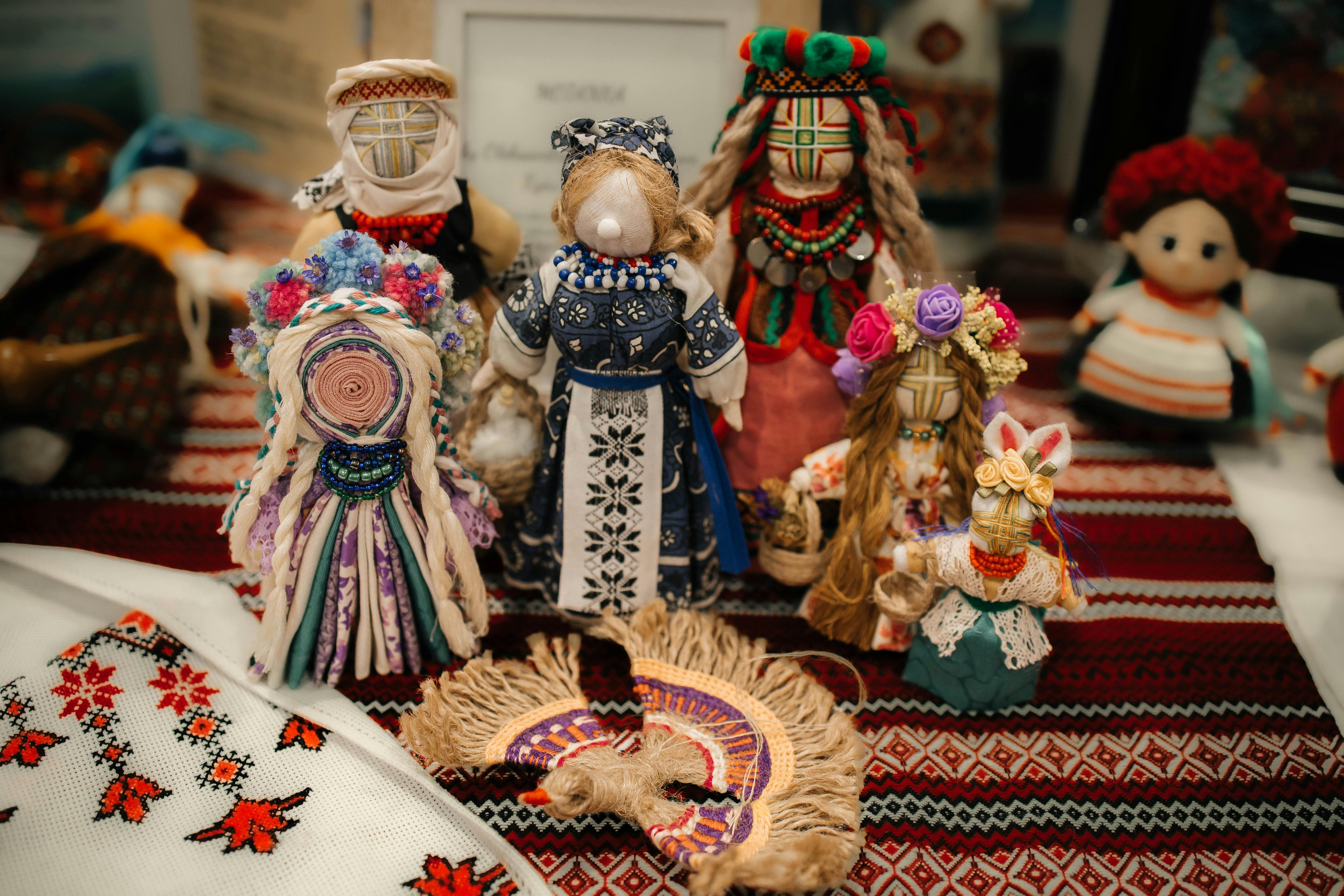
Lacquered objects look like polished stone and are built from tree sap. The material is unusual in that it will not dry in dry air, which shapes the entire craft around it.
A sap that cures rather than dries
Lacquer does not harden by losing solvent. It cures through a reaction that requires moisture and moderate warmth, so a workshop keeps its curing cabinets humid rather than warm and airy.
That reversal surprises anyone used to paint. A coat left in a dry room stays tacky indefinitely, while the same coat in a damp cupboard sets to something remarkably hard.
Once cured the surface resists water, acid and heat. Vessels made this way were genuinely functional tableware, not decoration, and that durability is why the labour was worth spending.
Why the layers cannot be rushed
Each coat is applied thinly, because a thick one cures on the surface and stays soft underneath. A finished piece may carry dozens of coats, each cured and smoothed before the next.
Between coats the surface is levelled with abrasives. The flatness of the final gloss comes from that repeated grinding rather than from the last coat being applied particularly well.
The arithmetic is unforgiving. If a coat needs days to cure and the piece needs many coats, the object occupies the workshop for the better part of a year before it is sold.
The core underneath
What lies beneath the lacquer varies by tradition. Thin turned wood is common, and so are woven bamboo, cloth stiffened with lacquer, and hollow forms with no wood left in them at all.
The core has to move as little as possible. Wood that swells and shrinks with the seasons will crack a rigid surface, so timber is seasoned for a long time and cut to minimise movement.
Cloth-and-lacquer construction avoids the problem by removing the wood entirely. The result is very light and stable, and it allows shapes that could not be turned or carved.
Decoration built into the depth
Because the surface is many layers deep, decoration can be buried at a chosen level. Metal powder, shell or pigment laid on one coat is then sealed under several more.
Carved traditions work the other way. Layers of different colours are built up and then cut back through, so the pattern is revealed by removal rather than applied by addition.
Both approaches require the maker to plan the finished object before the first coat. Nothing can be added late, because everything sits at a fixed depth in a structure already being built.
Working with a material that harms you
Raw lacquer causes severe skin reactions in most people on contact, and workers build tolerance slowly or protect themselves carefully. It ceases to be a hazard once fully cured.
That barrier restricted the trade. Not everyone could work the material, and those who could had spent years reaching that point, which kept workshops small and knowledge closely held.
It also explains the substitutes. Painted and coated imitations exist everywhere, because the look was in demand and the genuine process is slow, seasonal and physically punishing.
Also by Emeka Nwosu
- Mending as a visible actCraft Traditions
- Thatch, mud and stone: building with what is within reachCraft Traditions
- Boats built without plansCraft Traditions
- Making instruments: wood chosen for how it soundsCraft Traditions