Food Cultures
A Potluck Divides The Cooking And The Risk
Shared-dish meals spread cost and labor across a group, and the informal conventions about what to bring exist to stop the table from going wrong.
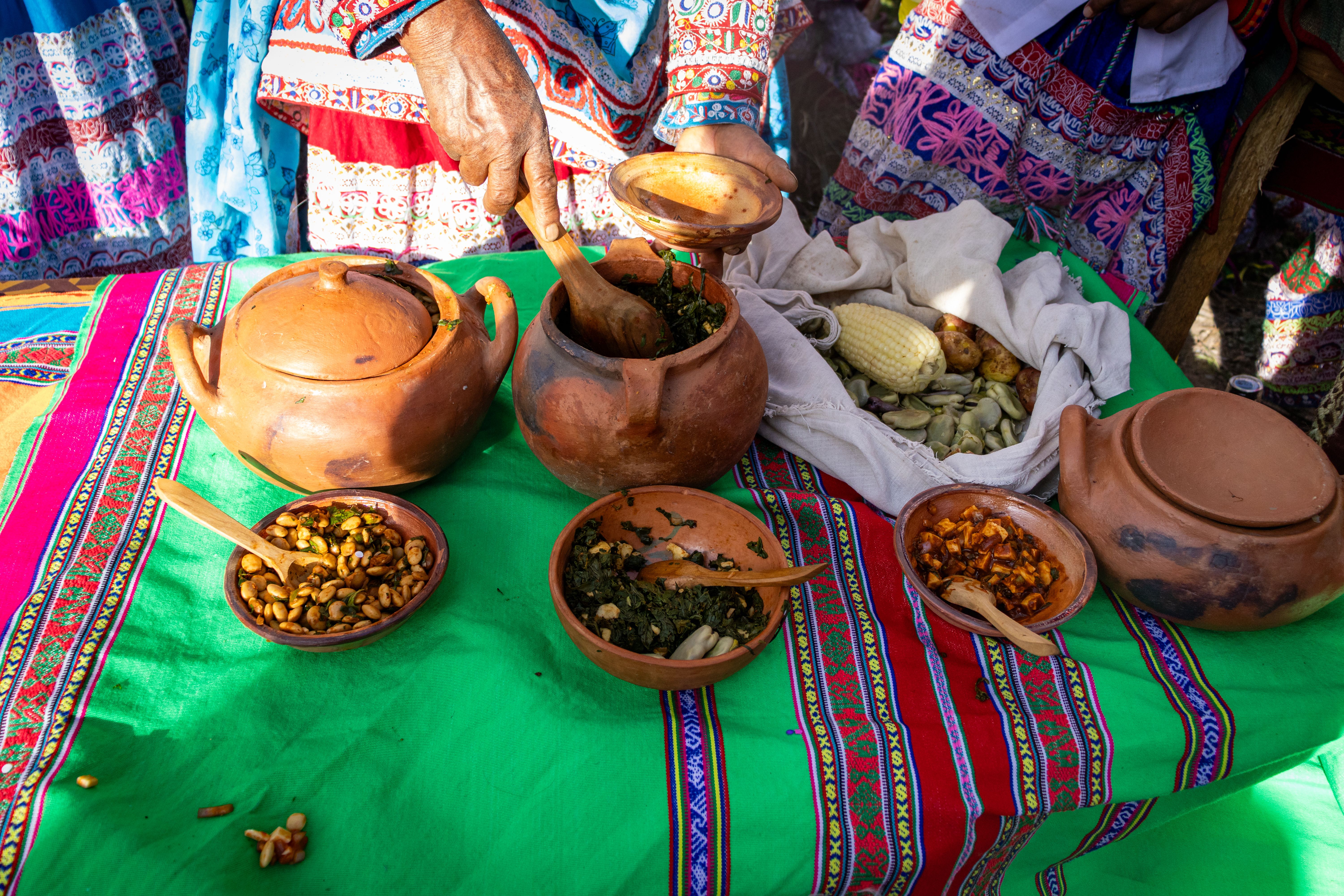
A potluck looks like an absence of planning, but it is a coordination system with rules. Those rules exist because the format has predictable failure modes.
The format solves a capacity problem
Feeding a large group from one kitchen requires equipment, money and a full day, and most households have none of the three to spare.
Splitting the meal across many kitchens converts one impossible task into many easy ones, and no single family absorbs the cost.
That is why the arrangement is strongest in congregations, unions, volunteer companies and neighborhood associations, where gatherings are frequent and budgets are thin.
Coordination emerged because uncoordinated potlucks fail
Left entirely open, contributions cluster. Desserts and side dishes are easy to transport and safe to attempt, so a table can end up with seven casseroles and nothing else.
Sign-up sheets, assigned categories by last initial and a designated organizer all developed to correct that, and they appear independently wherever the format is common.
The host usually supplies the anchor item, which guarantees a main dish exists regardless of what arrives.
Transport constraints shape the dishes
A potluck dish must survive a car ride, tolerate an hour at an uncertain temperature and be served with whatever utensil is on hand.
That rules out most things finished at the last moment and rewards baked dishes in deep pans, cold salads and anything that improves as it sits.
The much-mocked casserole is therefore an engineering answer, not a failure of ambition, and regional versions track what was stocked locally.
Reciprocity is tracked, quietly
Nobody keeps written accounts, but participants notice who brings substantial food and who arrives with a bag of rolls, and standing adjusts accordingly.
Bringing a dish that is clearly labor-intensive signals commitment to the group, and certain people become associated with a specific dish they are then expected to produce.
The expectation can be a burden as well as an honor, and long-running groups often have someone who has been making the same thing for decades.
Food safety is the real constraint
Dishes sit out, travel unrefrigerated and are reheated unevenly, which is why organizations that hold large potlucks often adopt rules about what may be brought.
Chafing dishes, slow cookers plugged in on arrival and a serving window rather than an open afternoon are all responses to the same hazard.
Anyone organizing a large public meal should follow local health guidance, which varies by jurisdiction and applies differently to private and public events.
Also by Lena Farkas
- Street food is a system, not a categoryFood Cultures
- Children who grow up with three languagesLanguage & Words
- Famine foods and the knowledge nobody wants to needFood Cultures
- Whistled and drummed languages: speech carried across a valleyLanguage & Words