Festivals & Ritual
Blessing The Boats And The Rites Of A Trade
Occupations with real physical danger tend to develop their own ceremonies at the start of a season, and those rites organise the workforce as much as they reassure it.
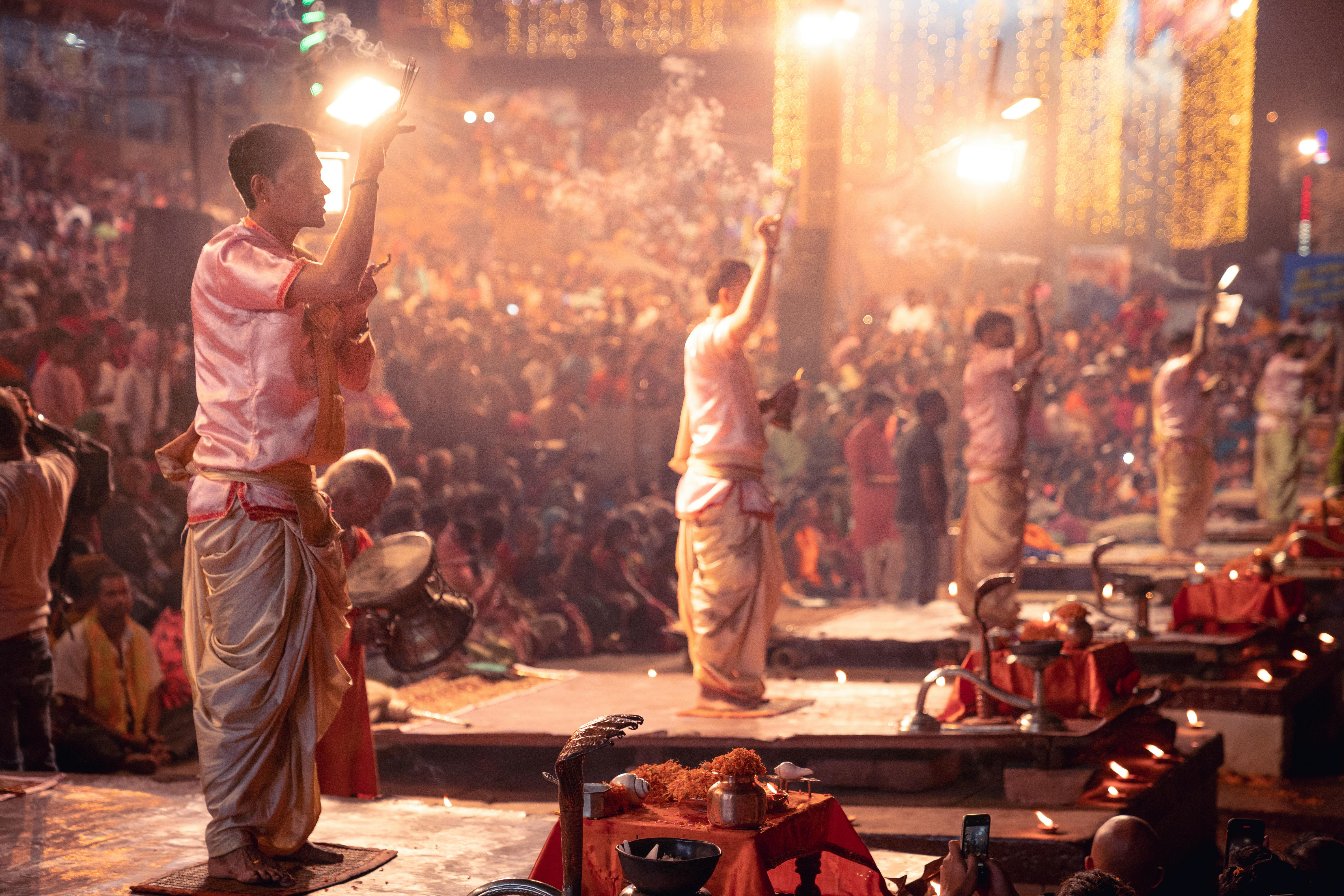
Fishing fleets, mines and forges all carry ceremonies that outsiders read as superstition. They are better understood as the annual meeting of a dangerous trade, held in public.
The rites cluster where the risk is
Trades that produce these ceremonies share a feature, which is that competent, careful people are still killed by them. Skill reduces the danger and does not remove it.
Where outcomes depend partly on weather, rock or fire, practitioners develop observances addressed to the part they cannot control, alongside the practical precautions for the part they can.
Occupations with predictable risk rarely develop the same density of ritual. The pattern follows uncertainty rather than danger alone, which is why the sea produces so much of it.
The season opening as an assembly
Blessing ceremonies usually fall at the start of a working season, when the whole fleet or workforce is present and about to disperse for months.
That makes them the natural point for everything else the trade needs to settle, including crew arrangements, shares, debts and the resolution of last season's disputes.
The ceremony gives the assembly a reason and an order. Attendance is expected, and a person absent from it has effectively declared themselves outside the group.
Naming, launching and first use
New equipment attracts its own rites, particularly vessels. Naming and launching ceremonies are elaborate, witnessed and hard to postpone once arranged.
The transitions marked are real ones. A hull becomes a working boat, a furnace becomes a producing furnace, and both moments carry substantial financial risk for the owner.
Renaming is widely treated as unlucky, which has an administrative logic behind it. A vessel with a changed identity is harder to trace, insure and hold accountable.
Prohibitions carried on board
Working traditions accumulate lists of things not said, not brought and not done while working. These lists are specific, locally variable and taken seriously.
Many have a practical core. Rules that appear to be about luck often turn out to concern noise, distraction, cleanliness or keeping hands free at moments when that matters.
Enforcement is the point. A rule framed as luck is obeyed by everyone immediately, whereas a rule framed as advice invites argument at the worst possible time.
Remembering the losses
These ceremonies almost always include the dead of the trade, named or collectively, and that element tends to be the part communities defend most strongly.
It is one of the few occasions when the cost of the work is stated publicly, in front of the families who bore it and the employers who benefited.
Where an industry has closed, the ceremony frequently outlives it. The trade is gone and the annual gathering continues, which shows what the ritual was principally holding together.
Also by Lena Farkas
- Street food is a system, not a categoryFood Cultures
- Children who grow up with three languagesLanguage & Words
- Famine foods and the knowledge nobody wants to needFood Cultures
- Whistled and drummed languages: speech carried across a valleyLanguage & Words