Food Cultures
Corn Had To Be Treated With Ash
Soaking maize in an alkaline solution frees a vitamin the grain otherwise locks away, which is why every long-standing corn cuisine includes that step.
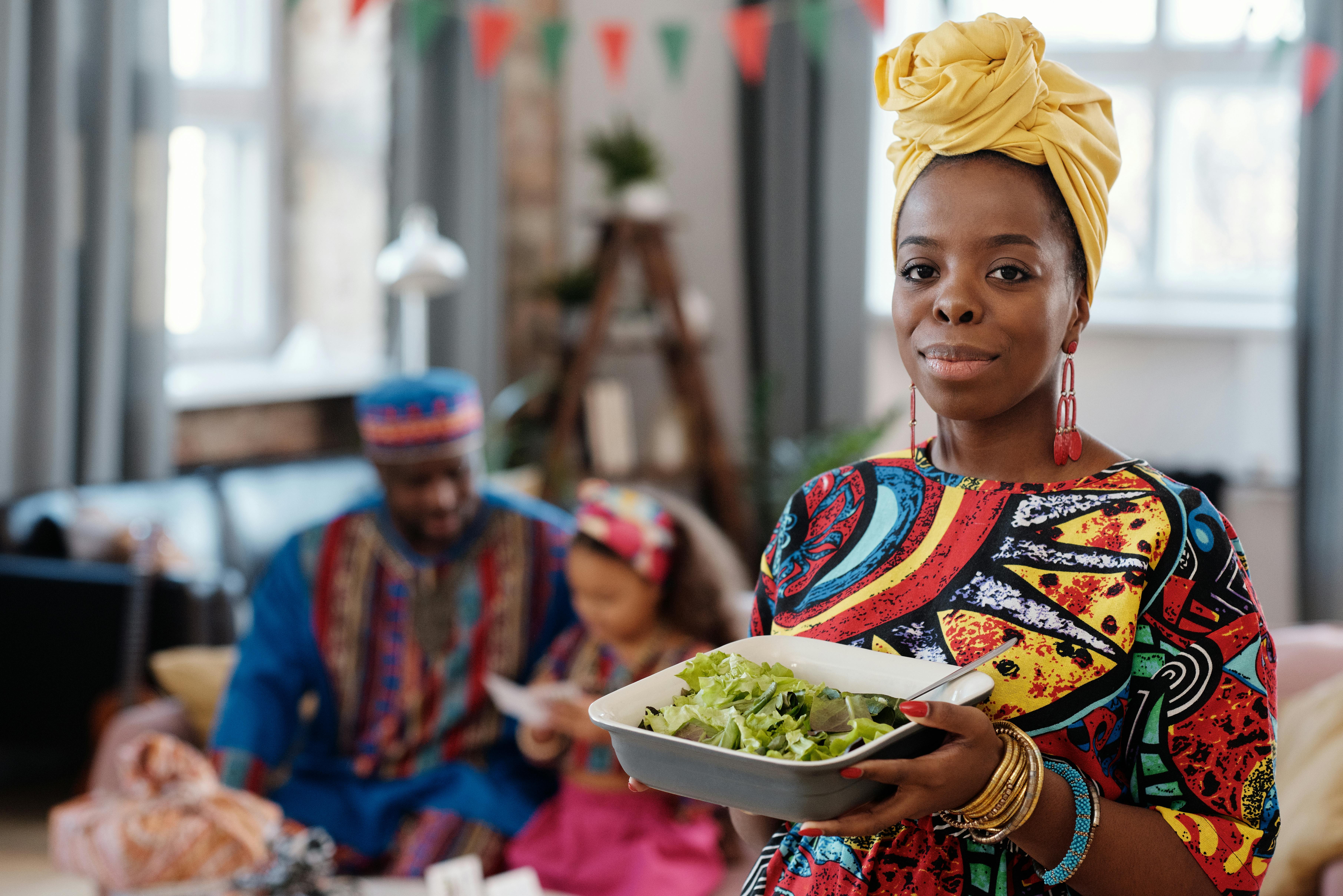
Cultures that lived on maize for centuries all process it with an alkali before grinding. Where that step was adopted without the processing, serious deficiency disease followed.
Maize locks up a nutrient the body needs
Corn contains niacin, but in a bound form that human digestion cannot release. Eating the grain untreated delivers the calories and leaves that nutrient largely unavailable.
A diet built mainly on untreated corn therefore produces deficiency even when the eater is not short of food, which is what made the pattern confusing to observers for a long time.
The problem is not the plant. It is the chemistry of how the nutrient sits inside the kernel.
An alkaline soak changes the chemistry
Cooking kernels in water with wood ash, slaked lime or another alkali breaks the bonds holding the niacin and makes it absorbable.
The same treatment loosens the hull, softens the kernel and alters the proteins so the resulting dough holds together when pressed, which is why it can be shaped at all.
The process is known by its Nahuatl-derived name, nixtamalization, and versions of it appear across Mesoamerica and in Southern hominy traditions.
The knowledge did not travel with the seed
When maize was carried to Europe, Africa and Asia, it moved as a productive crop. The processing step was a kitchen practice rather than an agricultural one, and it was left behind.
Regions that adopted corn as a staple without the alkali treatment saw pellagra appear among populations who ate little else, especially where poverty narrowed the diet.
The disease was eventually traced to diet rather than infection, and it receded where diets broadened or where flour was fortified.
Hominy and masa are the same idea
Southern hominy and grits made from it, and the masa used for tortillas and tamales, both begin with the same alkaline cook and differ in how far the grinding goes.
Coarse processing leaves whole or cracked kernels; fine grinding of the wet nixtamal produces a dough that behaves nothing like dry cornmeal.
That difference in texture is not a matter of grind size alone, because the treatment itself changes how the starch and protein interact with water.
Industrial shortcuts changed the flavor
Dried and instant masa flours reproduce the nutritional effect but rehydrate rather than starting from wet kernels, and cooks who work with both describe a clear difference.
Small mills that still cook and grind daily persist where demand is dense enough to justify the labor, often in neighborhoods with a large customer base.
The persistence of those mills is the practical evidence that the older method produces something the convenient version does not.
Also by Lena Farkas
- Street food is a system, not a categoryFood Cultures
- Children who grow up with three languagesLanguage & Words
- Famine foods and the knowledge nobody wants to needFood Cultures
- Whistled and drummed languages: speech carried across a valleyLanguage & Words