Festivals & Ritual
Feeding A Festival Crowd Is The Real Work
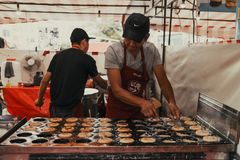
Behind every large communal celebration sits a catering operation with its own hierarchy, equipment and financing, and the food logistics often determine the shape of the event.
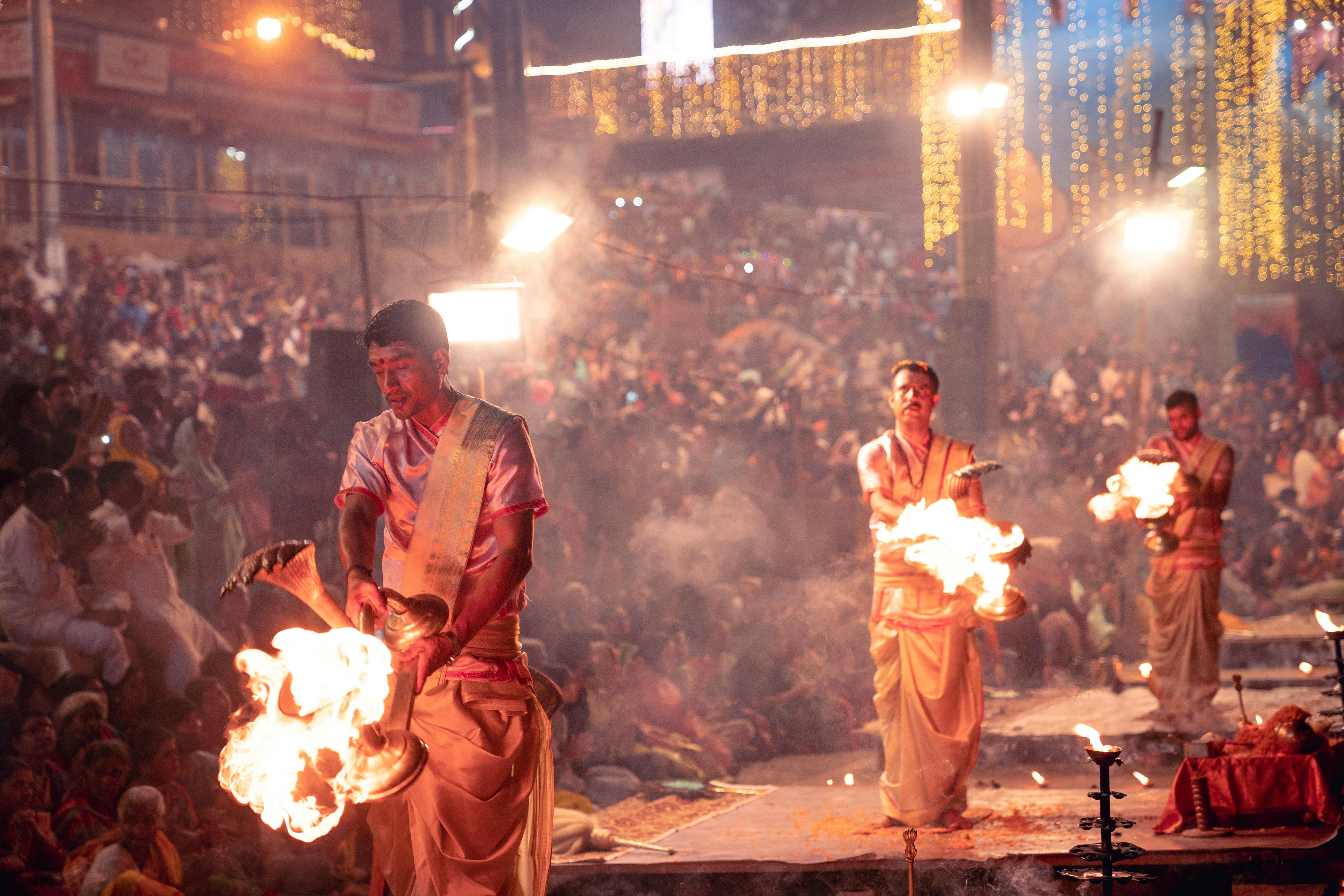
Festivals are remembered for what is seen. The largest single undertaking is usually the feeding, which involves more people, more planning and more money than anything else.
The scale changes the cooking
Cooking for hundreds is not domestic cooking multiplied. Vessels, fuel, heat sources and timing all differ, and dishes that work at home fail badly at that volume.
Festival dishes are therefore selected for scalability. They tolerate long cooking, hold at temperature, and do not spoil quickly once made, which narrows the menu considerably.
That is why communal food is often simpler than household food for the same occasion. The constraint is not budget but the physics of a very large pot.
Specialist cooks and their equipment
Many communities have cooks who work only at this scale, appearing for festivals, weddings and funerals and otherwise doing something else entirely.
They own or control the equipment, which is the real barrier to entry. Vessels large enough for these quantities are expensive, heavy and used a few times a year.
Because the equipment is shared or hired, the festival calendar has to be coordinated. Two events on the same day may be competing for the same pots and the same hands.
Who pays and how
Funding models recur. Contributions per household, sponsorship by wealthier families, income from the previous year's collection and rotating responsibility are all common.
Rotation is the most durable. Where the burden moves round households or streets on a cycle, no single group carries it repeatedly and the event survives changes in fortune.
Sponsorship buys visibility, and traditions usually regulate how that visibility is expressed, since a festival dominated by one donor stops functioning as a community event.
Service order says who matters
Serving sequence at communal meals is rarely casual. Elders, officiants, guests, contributors and workers are fed in an order that is understood and noticed.
Being served early, or served a particular portion, is a public statement of standing, which is why disputes over these arrangements can be surprisingly bitter.
The cooks and helpers usually eat last, and in many traditions that final sitting is its own event, less formal and often better regarded by those who attend it.
What happens to the surplus
Over-catering is deliberate. Running out is a serious failure for the organisers, so quantities are set high and a surplus is expected rather than accidental.
Distribution of that surplus is customary. It goes to households that could not attend, to those who worked, and to the poorer part of the community, on established lines.
That redistribution is often the least discussed and most consequential part of the festival, particularly where it lands at a lean point in the agricultural year.
Also by Lena Farkas
- Street food is a system, not a categoryFood Cultures
- Children who grow up with three languagesLanguage & Words
- Famine foods and the knowledge nobody wants to needFood Cultures
- Whistled and drummed languages: speech carried across a valleyLanguage & Words