Festivals & Ritual
Lamp Festivals And The Dark They Answer
Celebrations built on lighting many small flames fall at points where darkness is increasing or at its longest, and they organise a community's light into a single visible act.
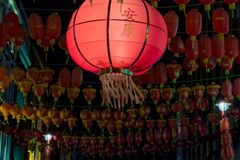
Festivals of lamps and candles occur widely and independently. They cluster at particular points in the year, and what they have in common is the darkness they are placed against.
The placement in the year
These events sit either at the darkest part of the year or at the moment when the nights are lengthening noticeably, depending on the latitude and the calendar in use.
In tropical regions the trigger is more often the lunar cycle than the solar one, with the darkest night of a month serving the same purpose as midwinter elsewhere.
Either way the festival is scheduled by absence of light rather than by any agricultural event, which distinguishes it from harvest and planting celebrations.
Many small lights, not one large one
The characteristic form is a large number of individual flames rather than a single bonfire. That distribution is what makes the effect, and it is what requires participation.
Each household lights its own, which means the display exists only if everyone takes part. A street with unlit houses is visibly incomplete in a way a bonfire cannot be.
Placement is specified. Thresholds, windows, walls and water are the usual positions, and each puts the light at a boundary rather than in the middle of a room.
Light at a threshold
Lamps at doorways and windows sit exactly where inside meets outside, which is the location most traditions treat as requiring protection or marking.
The gesture is simultaneously welcoming and defensive, and traditions usually explain it in both terms, inviting something in while keeping something else out.
Floating lamps on water extend the same logic. The light is released across a boundary and carried away, and it can be watched leaving, which is part of the point.
Cleaning, settling and starting again
Lamp festivals are commonly preceded by thorough cleaning of houses, repair of buildings and settling of accounts, and those preparations take longer than the event.
The lighting then marks the completed state. A house is shown as cleaned, mended and in order, and the light makes that visible to the whole street at once.
Several of these festivals also mark a financial year, with books closed and new ones opened, which ties the domestic preparation to a commercial calendar.
What electric light did to them
Permanent lighting removed the contrast the festivals were built on. In a town lit all year, an evening of small flames no longer transforms the place.
Many communities responded by increasing scale, adding strings of lights and larger displays, which changes the character from participation to spectacle.
Others deliberately keep the older form, using oil lamps or candles only, on the grounds that the small, fragile, individually tended flame was always the substance of the thing.
Also by Lena Farkas
- Street food is a system, not a categoryFood Cultures
- Children who grow up with three languagesLanguage & Words
- Famine foods and the knowledge nobody wants to needFood Cultures
- Whistled and drummed languages: speech carried across a valleyLanguage & Words