Food Cultures
Smoke Was Storage Before It Was Flavour
Smoking food began as a way to keep meat and fish edible through lean months, and the tastes people now seek out are the residue of that preservation work.
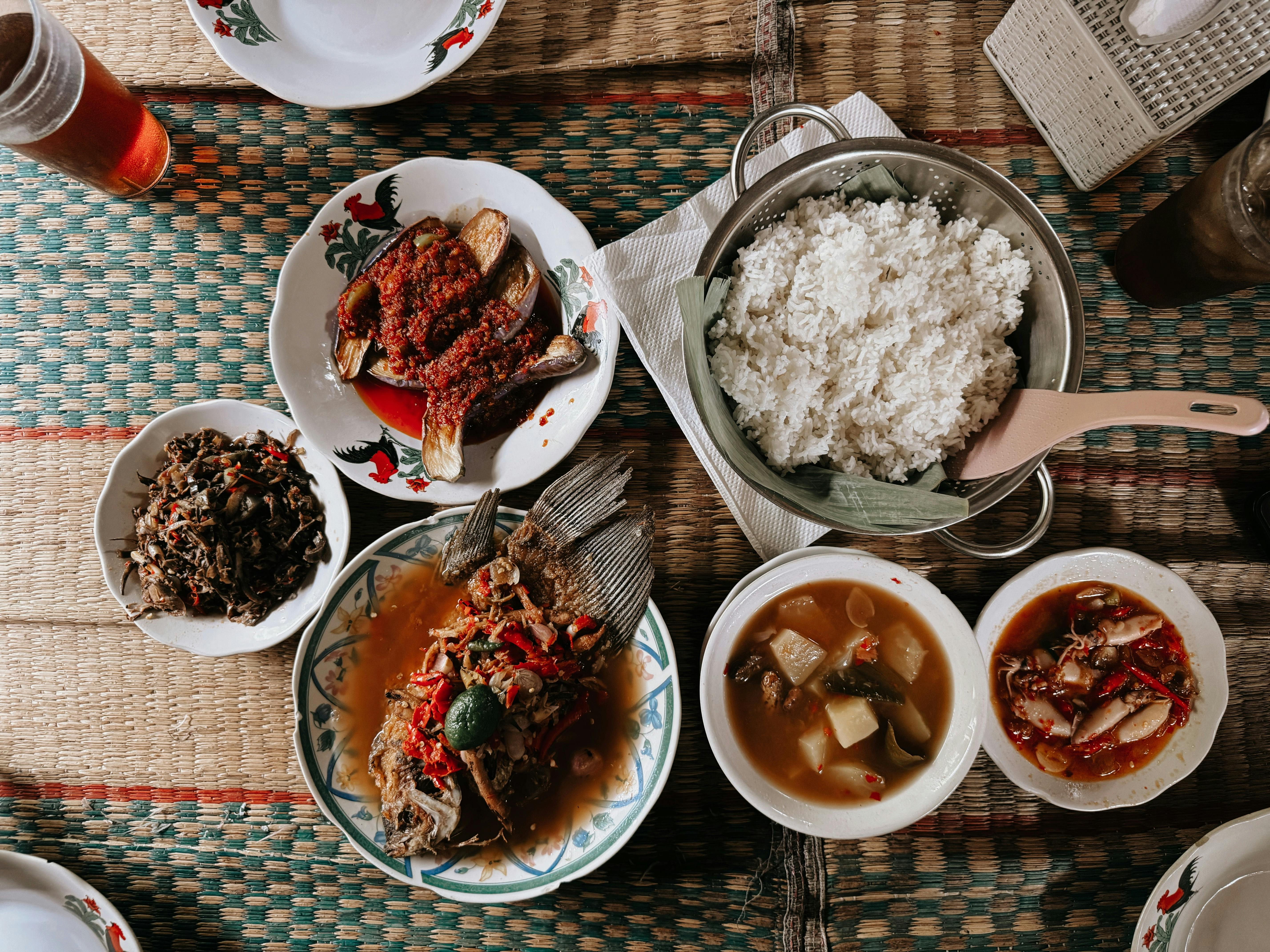
Smoked food is now sold on flavour, but smoke entered the kitchen as a preservation method. What tastes deliberate today was originally a side effect of keeping protein from spoiling.
What smoke actually does to food
Wood smoke carries compounds that slow the growth of bacteria and moulds on a surface. It also dries the outer layer, and a dry surface is a poor place for spoilage organisms to start.
The heat matters as much as the smoke. Cold smoking flavours and dries without cooking, while hot smoking cooks and preserves at once, and the two produce quite different results from the same wood.
Salt almost always came first. Meat was salted or brined before it met smoke, because salt draws out water from the interior where smoke alone cannot reach, and the two methods together did what neither could.
Why smokehouses were built where they were
A smokehouse needed fuel, and fuel meant woodland within carrying distance. Communities on treeless coasts smoked less and salted or dried more, which is why preservation styles map onto vegetation.
The building itself was a controlled leak. Too much draught and the fire burned hot and cooked the food, too little and the smoke went sour and stale, so the operator worked the vents constantly.
Fish smoking clustered at landing points because the catch could not wait. A harbour with a smokehouse could absorb a large landing, and a harbour without one had to sell fresh or lose the fish.
The wood is part of the recipe
Different woods burn with different resin and sugar content, and those differences carry into the food. Hardwoods from fruit trees produce a mild smoke, while resinous softwoods produce a harsh one.
Because wood was gathered locally, the flavour of a region's smoked food was set by whatever grew nearby. That is why smoked products from neighbouring valleys can taste noticeably unalike.
Some traditions add material other than wood. Peat, herbs, spent tea leaves and grain husks all appear in one place or another, each chosen because it was to hand and burned in a useful way.
Why smoking survived refrigeration
Once cold storage arrived, the preservation argument weakened quickly. Smoked food could have vanished, and in some forms it nearly did, but the taste had become the point rather than the method.
Producers responded by shortening the process. Modern smoking is often lighter and briefer than the old versions, because the food no longer has to survive months without a cold room.
The heavily smoked, hard, salty versions now read as regional specialities rather than staples. They are eaten in small quantities, which is a reversal of their original role as the reliable everyday protein.
What the old products tell you about a place
A smoked speciality is a record of a local shortage. It says the community had a glut it could not eat fresh and a season it could not otherwise get through.
The species involved say something too. Smoked river fish points to a fishery with a short violent run, while smoked pork points to a household pig killed once a year at the cold end.
Read that way, a smokehouse product is a piece of agricultural evidence. The flavour is the visible part, and the calendar behind it is what actually shaped the food.
Also by Lena Farkas
- Street food is a system, not a categoryFood Cultures
- Children who grow up with three languagesLanguage & Words
- Famine foods and the knowledge nobody wants to needFood Cultures
- Whistled and drummed languages: speech carried across a valleyLanguage & Words