Food Cultures
Sugar Arrived Late And Rearranged The Table
Before cheap sugar, sweetness came from fruit, honey and malt in small amounts, and its sudden abundance created a separate sweet course that had not existed before.
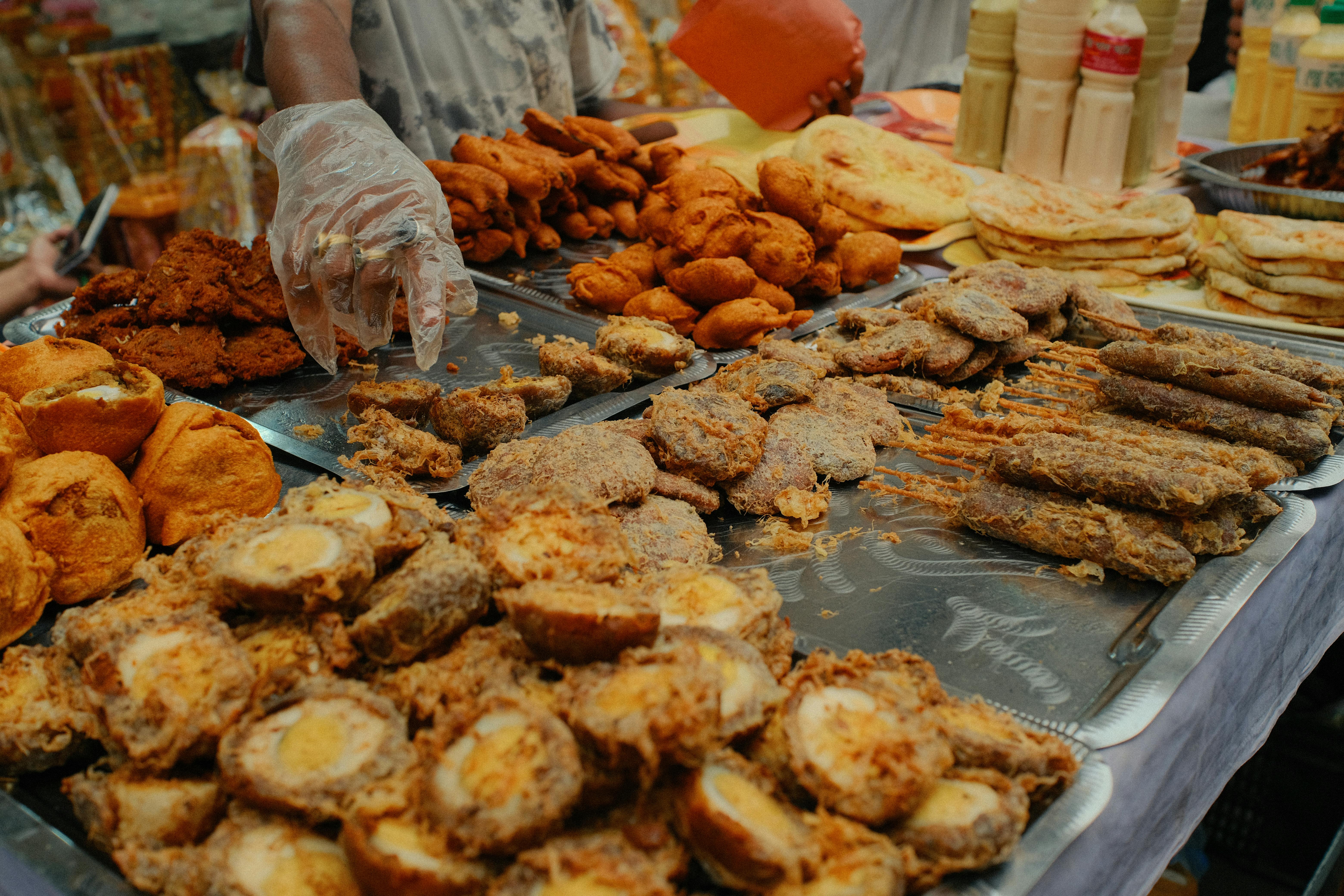
Sweetness was once an occasional accent scattered through a meal. Cheap sugar concentrated it into a course of its own, and that reorganisation is more recent than most menus suggest.
Where sweetness came from before
Honey was the strongest sweetener available and it was expensive, seasonal and limited by how many colonies a region could support. It was used sparingly and often medicinally.
Fruit did much of the work, fresh in season and dried or boiled down otherwise. Concentrated fruit syrups gave sweetness plus acidity and flavour, which is a different thing from pure sugar.
Grain contributed too. Malted cereals convert their own starch into sugars, and malt syrups and sweet grain porridges appear in many traditions as the everyday sweetness rather than the luxury version.
Sweet was scattered through the meal
Older cooking mixed sweet with savoury freely. Meat dishes carried dried fruit, sauces were sweetened and spiced together, and there was no rule that sugar belonged at the end.
That pattern survives in the dishes that did not get reorganised. Sweetened meat, fruit with poultry and sugar in sauces persist in many cuisines and look eccentric only from a modern standpoint.
The separation happened as sugar became abundant. Once it could be used in quantity, it made sense to concentrate it in dishes of its own rather than distribute it thinly.
Cane changed the supply completely
Sugar cane grows only in warm climates and demands enormous labour to cut and process, which is why the trade in it reshaped economies and populations far beyond the fields themselves.
Refining separated flavour from sweetness. Unrefined sugars taste of the cane and of the process, while refined sugar is close to a pure sweet with nothing else attached.
Beet cultivation later extended production into cooler regions, breaking the geographical monopoly. Sweetness stopped being an import and became something a temperate country could grow for itself.
What abundance did to technique
Confectionery depends on sugar behaving predictably at high temperatures, and that only becomes a craft when the material is cheap enough to experiment with and to fail with.
Preserving changed as well. Sugar in sufficient concentration stops spoilage, so jams and candied fruit gave households a second preservation method alongside salting, drying and fermenting.
Baking was transformed most. Sweet baked goods on a daily basis require flour, fat and sugar together at low cost, which is a fairly recent combination in most places.
The dessert course as a late invention
A defined sweet course at the end of the meal is a convention, not a necessity, and it spread along with formal dining service and the restaurants that copied it.
Many traditions never adopted it fully. Meals end with fruit, or with nothing, and sweets are eaten between meals or at festivals rather than as the closing act of dinner.
Where the course did take hold, it absorbed dishes that had previously appeared elsewhere. Puddings and preserves that once sat alongside meat were relocated to the end and reclassified.
Also by Lena Farkas
- Street food is a system, not a categoryFood Cultures
- Children who grow up with three languagesLanguage & Words
- Famine foods and the knowledge nobody wants to needFood Cultures
- Whistled and drummed languages: speech carried across a valleyLanguage & Words