Food Cultures
Vinegar Is Wine That Failed, And That Was Useful
Souring is the accidental second fermentation of any alcoholic liquid, and the cultures that learned to control it gained a preservative, a seasoning and a cleaning agent at once.

Vinegar is what happens when a fermented drink is left exposed to air. Every alcohol-making tradition produced it by accident before anyone produced it on purpose.
The second fermentation
Yeast turns sugar into alcohol, and a different family of bacteria turns that alcohol into acid. The second process needs oxygen, which is why sealed vessels make drink and open ones make vinegar.
The bacteria are ambient, drifting in on air and on fruit skins. A brewer who left a barrel open was not adding anything, only failing to exclude what was already present.
Once the conversion is complete the liquid is stable. The acidity that makes it undrinkable as a beverage is exactly what stops most spoilage organisms from living in it.
Each drink makes its own vinegar
The raw material carries through. Grape wine gives one vinegar, rice beer another, apple or palm sap others again, and each keeps the flavour signature of what it was made from.
That means the vinegar in a cuisine tells you what that region fermented. A place with no grapes will have a vinegar, but it will be built on its own fermentable crop.
Ageing changes it further. Vinegar left in wood concentrates as water evaporates and picks up flavour from the barrel, which is how the thick, sweet, long-aged styles arise.
Preservation without salt
Acid preservation works differently from salting and from lactic fermentation. It is fast, it is predictable, and it does not require the food to ferment on its own schedule.
That reliability mattered. A vegetable submerged in vinegar is stable within days, whereas a salt ferment depends on temperature and on the microbes present, and it can fail.
The trade-off is flavour. Vinegar pickles taste of vinegar and take on little complexity of their own, while a slow salt ferment develops flavours the acid method cannot reach.
Its role at the table
Acidity does specific work in a dish. It cuts fat, it sharpens dull flavours, and it makes salt taste stronger, which is why sour condiments accompany rich food nearly everywhere.
Where citrus grew, it often took that role instead, and the two divide the map roughly along climate lines. Cuisines with neither used sour fruit, fermented liquids or soured dairy.
Diluted vinegar as a drink appears in several traditions, usually in hot climates and among people working outdoors. It was refreshing and, unlike water from an uncertain source, essentially self-sterilising.
Beyond the kitchen
Vinegar was a household chemical long before it was a shelf product. It dissolves mineral deposits, cuts grease and discourages microbial growth, which covered most domestic cleaning needs.
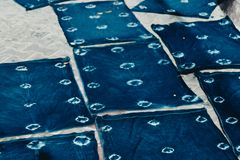
Craft trades used it as well, in dyeing and in metalwork, where a mild acid was needed to clean or to shift a colour. A brewery therefore supplied more than a drink.
All of this came from a barrel that went wrong. The trades that grew up around vinegar are built on a spoilage process someone decided to encourage rather than prevent.
Also by Lena Farkas
- Street food is a system, not a categoryFood Cultures
- Children who grow up with three languagesLanguage & Words
- Famine foods and the knowledge nobody wants to needFood Cultures
- Whistled and drummed languages: speech carried across a valleyLanguage & Words